I had a client — let’s call him Marcus — who came to me six months into his semaglutide prescription. He’d lost 34 pounds. He should have been thrilled. Instead, he sent me a photo and said, “I look smaller but I still look soft. What’s happening?” I knew exactly what was happening. He’d lost fat, sure. But he’d also lost a significant chunk of muscle, because nobody told him that strength training on GLP-1 isn’t optional — it’s the whole game. Without it, you’re just a smaller, weaker version of yourself.
That’s the conversation I have constantly now. GLP-1 medications like semaglutide (Ozempic, Wegovy) and tirzepatide (Mounjaro, Zepbound) have changed the weight loss landscape for a lot of people. But the drug doesn’t care whether you lose fat or muscle. It just suppresses your appetite and creates a calorie deficit. What happens to your body composition inside that deficit is entirely up to you.
Why Muscle Loss Is the Biggest Risk Nobody Talks About
When you’re in a significant calorie deficit — which is exactly what GLP-1 medications create — your body has two fuel sources it can pull from: fat and muscle. Ideally, you want almost all of it coming from fat. But without the right training stimulus and enough protein, you will lose muscle. Studies on GLP-1 users show that somewhere between 25-40% of total weight lost can be lean mass. That’s not a rounding error. That’s a problem.
Here’s why it matters beyond just aesthetics. Muscle is metabolically active tissue. Lose it now, and your maintenance calories drop. That means when you eventually taper off the medication — and most people do — you’re working with a slower metabolism and a body that’s less capable of handling the food you’re eating. This is exactly how people end up gaining everything back.
I’ve also seen it affect people’s strength in ways that genuinely scare them. One client was a former college athlete, mid-30s, doing everything “right” by GLP-1 standards — losing weight steadily, eating less, moving more. But she hadn’t touched a weight in four months. By the time she came to me, she couldn’t do a single bodyweight squat without her knees caving. She wasn’t just lighter. She was weaker and less functional than she’d been at her heaviest.
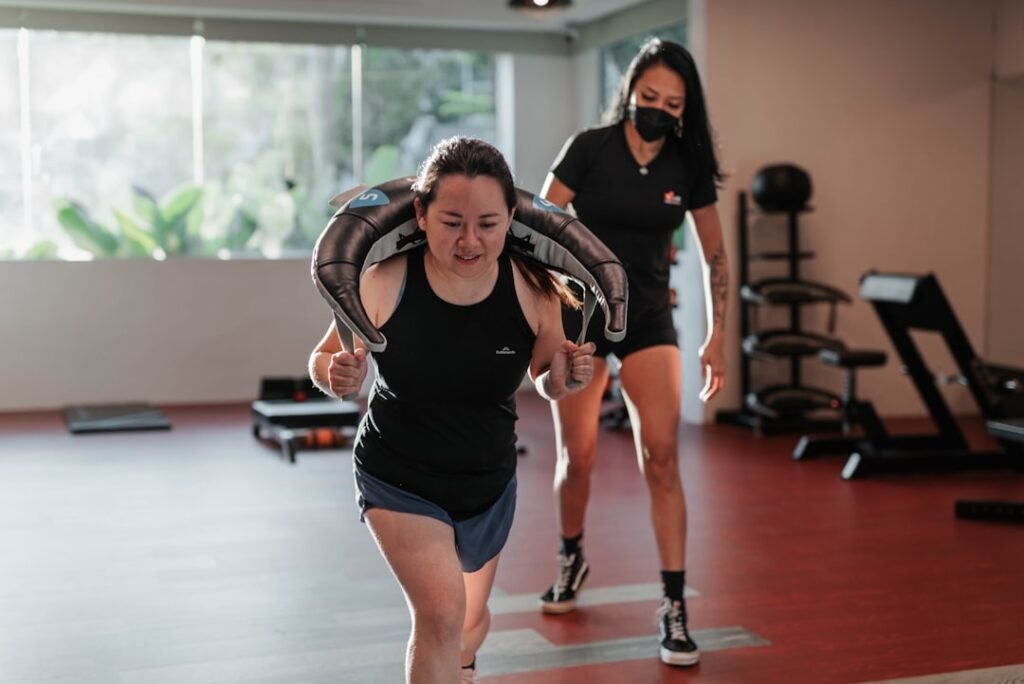
Strength training while on GLP-1 is how you prevent this. Full stop.
What Does Strength Training on GLP-1 Actually Look Like?
This is where I see a lot of bad advice floating around. People assume that because they’re eating less, they should train less. Or they jump into some 6-day-a-week program because they’re motivated by the scale moving. Both are wrong.
Frequency and Volume
Stop Reading. Start Doing.
Get a custom training + nutrition plan built for your body, your schedule, and your goals. Your first call is free.
Book Your Free Discovery Call →Three to four days of resistance training per week is the sweet spot for most GLP-1 users. You’re eating in a significant deficit. Recovery is compromised. More is not more here. I typically program either a full body split three days a week, or an Upper/Lower split four days a week depending on the client’s schedule and training history.
Volume should be moderate — not the high-volume bodybuilding programs you see on YouTube. I’m talking 3-4 sets per exercise, 4-6 exercises per session. The goal is to send a strong enough signal to your muscles to hold onto what they have. You’re not trying to set PRs every week on 1,400 calories.
Rep Ranges and Intensity
Stay in the 6-12 rep range for most of your work. This is hypertrophy territory, which is exactly where you want to be when the goal is muscle preservation. Compound movements first — squats, deadlifts, rows, presses, hip hinges. These recruit the most muscle and give you the most return on your limited recovery capacity.
Progressive overload still applies. I don’t care that you’re on a GLP-1. You should still be adding small amounts of weight or reps over time. If you’ve been doing 3 sets of 8 at 135 for four weeks and nothing has changed, you’re not training — you’re just moving.
Cardio
Keep it. But keep it in its lane. Two or three 20-30 minute moderate intensity cardio sessions per week is plenty. Don’t let cardio eat into your recovery from lifting. I’ve seen people on GLP-1s go cardio-crazy because the weight is coming off and it feels good. And then they wonder why they’re exhausted and losing strength. Your walks, your Zone 2 bike sessions — great. Daily 60-minute treadmill sessions on top of 4 days of lifting while eating 1,200 calories — that’s a muscle-wasting recipe.
This Is What We Do
I’ve helped hundreds of clients figure this out. If you’re tired of spinning your wheels, let’s talk. 30-minute call, no pressure, no sales pitch.
How Much Protein Do You Actually Need on a GLP-1?
More than you think. Especially because the medication kills your appetite and most people default to eating whatever sounds tolerable — which is rarely chicken breast and Greek yogurt.
The target I use with GLP-1 clients is 0.8-1g of protein per pound of bodyweight, based on goal body weight. So if you weigh 220 pounds and your goal is 180, I’m targeting around 160-180g of protein per day. That sounds like a lot when you’re eating 1,400-1,600 calories total. And it is. That’s exactly why it has to be intentional.
Protein does two things that matter here. First, it’s the primary driver of muscle protein synthesis — meaning it’s what tells your body to keep the muscle you have. Second, it’s the most satiating macronutrient, which actually helps when you’re trying to eat enough on a suppressed appetite.
Practical ways to hit protein on a low appetite: Greek yogurt, cottage cheese, protein shakes, eggs, deli turkey, canned tuna or salmon. These are all high protein, easy to eat in small amounts, and don’t require you to cook a full meal when you’re not hungry. I’m not telling you to force food. I’m telling you to be strategic about what you eat when you do eat.
Should You Train Differently as a Woman on GLP-1?
Mostly no. The fundamentals are the same. Resistance training, protein priority, progressive overload — this isn’t gender-specific. What I do adjust is load selection and exercise choice based on individual training history, not sex.
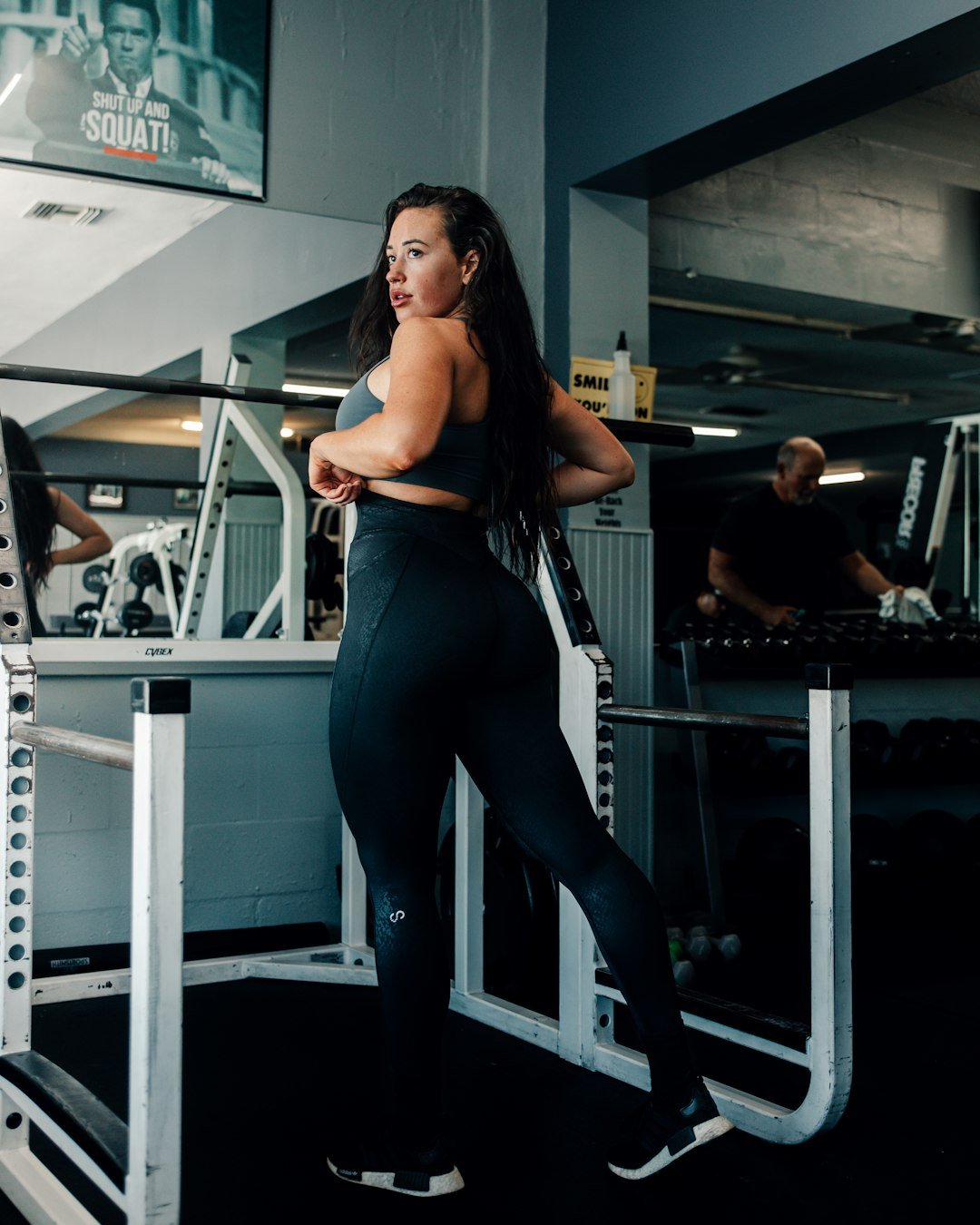
That said, I’ve worked with enough women on GLP-1s to know that there’s a specific trap they fall into: defaulting to light weights and high reps because they’ve been told for years that’s how women should train. It’s not. If you’re doing 3 sets of 20 with a 10-pound dumbbell, you are not sending a meaningful signal to your muscles to stay. You need to be lifting weights that are challenging in the 8-12 rep range. The last two reps should be hard.
Women also tend to undershoot protein more than men in my experience. Not because they’re less disciplined — because the fitness culture around women has historically pushed lower calorie, lower protein approaches. If you’re 145 pounds and trying to preserve muscle on semaglutide, you need 120-145g of protein per day. Non-negotiable.
The Counterintuitive Part: The Scale Will Slow Down — and That’s Good
Here’s something I tell every GLP-1 client who starts lifting seriously: the scale is going to move slower. Muscle is denser than fat. As you build or maintain muscle while losing fat, your body weight doesn’t always reflect what’s actually happening. Some weeks it won’t move at all.
Most people panic. Don’t. This is the process working correctly.
I had a client — female, 38, on tirzepatide — who went three weeks without the scale moving. She was frustrated. But her waist measurement had dropped an inch and a half. She was stronger. Her clothes fit differently. The scale was lying to her, and if she’d quit lifting to “get the scale moving again,” she would have traded real progress for a number.
Track your lifts. Track measurements. Take photos every four weeks. The scale is one data point. It’s not the report card.
Key Takeaways
- 25-40% of weight lost on GLP-1 medications can be lean mass without resistance training — strength training is how you prevent that.
- Train 3-4 days per week with a full body or Upper/Lower split. More is not better when you’re in a significant calorie deficit.
- Focus on compound movements (squats, deadlifts, rows, presses) with 3-4 sets in the 6-12 rep range. Progressive overload still applies.
- Target 0.8-1g of protein per pound of goal bodyweight — for most people that’s 140-200g per day. This is not optional.
- Keep cardio to 2-3 moderate sessions per week. Don’t let it cannibalize your recovery from lifting.
- Women need to lift heavy. Light weights and high reps will not preserve muscle on a GLP-1 deficit.
- When the scale stalls but measurements are dropping and strength is holding, you’re doing it right. Don’t chase the scale by cutting training.
Stop Googling. Start Working With a Coach Who Gets It.
At Visiting Trainer, you get a Dietitian AND a Certified Personal Trainer for the price of one. I build every program around your schedule, your body, and your goals. Not a template — your plan.
Stop Reading. Start Doing.
Get a custom training + nutrition plan built for your body, your schedule, and your goals. Your first call is free.
Book Your Free Discovery Call →