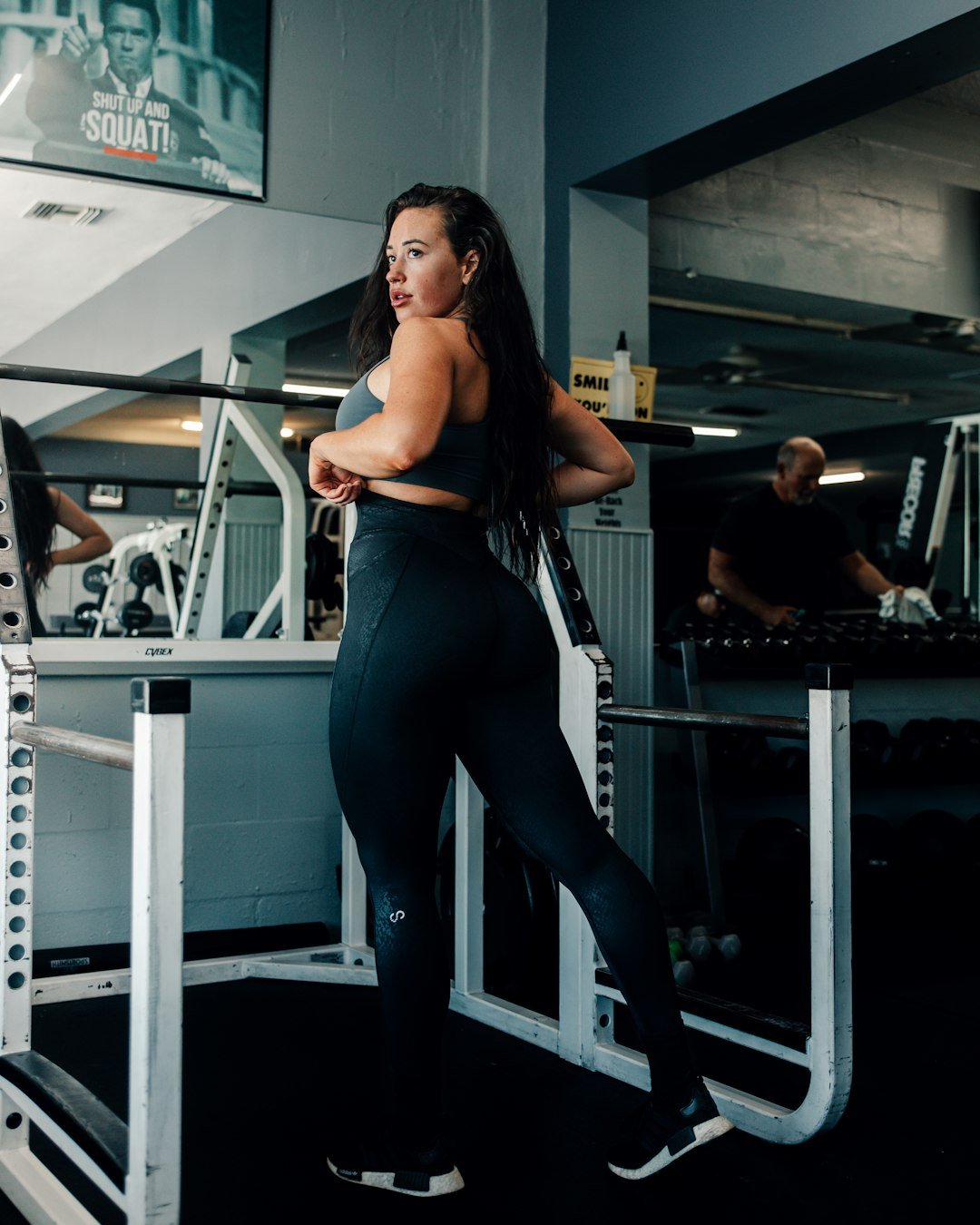
You’re cooking at home, skipping the drive-through, loading up on vegetables, and swapping soda for water — so why am I not losing weight eating healthy? If that question has been living rent-free in your head, you’re not alone. This is one of the most common frustrations we hear from new clients, and the honest answer isn’t a comfortable one: eating “healthy” and eating in a way that actually drives fat loss are not the same thing. The good news is that once you understand the real reasons the scale isn’t moving, fixing it becomes a lot more straightforward than another 30-day cleanse.
Healthy Food Still Has Calories
This is the one most people don’t want to hear, but it’s the foundation of everything. A calorie deficit — consuming fewer calories than your body burns — is the non-negotiable driver of fat loss. No dietary pattern, food quality level, or wellness trend changes that biological reality.
The trap with “eating healthy” is that many nutritious foods are also very calorie-dense. Avocados, olive oil, nuts, nut butters, whole grain breads, smoothies, and even salmon are excellent choices for overall health — but eat enough of them without tracking, and you can easily land at a maintenance or surplus calorie intake without realizing it.
The Peanut Butter Problem
Two tablespoons of natural peanut butter is about 190 calories and nearly 16 grams of fat. That’s a perfectly healthy food. But eyeball it a few times a day and you can rack up an extra 400–600 calories without ever touching a bag of chips. The same logic applies to avocado on toast, a handful of mixed nuts, or a drizzle of olive oil that’s really more like a pour.
The fix isn’t to eliminate these foods. It’s to actually measure them — at least until you have a calibrated sense of what a real serving looks like. A food scale is a $15 investment that pays back in results.
Liquid Calories Are Silent Budget Killers
Stop Reading. Start Doing.
Get a custom training + nutrition plan built for your body, your schedule, and your goals. Your first call is free.
Book Your Free Discovery Call →Pressed juices, protein smoothies, oat milk lattes, sports drinks, and kombucha all carry calories that most people aren’t accounting for. A “healthy” smoothie from a juice bar can run 500–700 calories depending on what’s in it. If you’re not logging it, it doesn’t count in your head — but it absolutely counts in your body.
You’re Underestimating How Much You Eat
Research consistently shows that people underestimate their calorie intake by anywhere from 20 to 50 percent. This isn’t a character flaw — it’s human nature. Portion sizes at restaurants are enormous, cooking oils add up fast, and “a little extra” at every meal can quietly eliminate any deficit you thought you had.
This is exactly why the approach at Visiting Trainer is built around macro-based nutrition coaching rather than generic meal plans. When clients learn to track and understand what they’re actually eating, the picture becomes clear almost immediately. It’s rarely that the food choices are wrong — it’s that the quantities are off in ways that aren’t visible without tracking.
The Weekend Effect
You might be eating in a moderate deficit Monday through Thursday and then spending Friday night through Sunday unconsciously making up for it. This pattern is extremely common. A couple of meals out, a few drinks, and relaxed portions over three days can neutralize four days of disciplined eating. The math works against you even if every individual choice feels reasonable in the moment.
The solution isn’t to eat perfectly seven days a week. It’s to have enough awareness of your overall weekly intake that the weekends don’t create an invisible surplus.
Your Protein Intake Is Too Low
Protein is the most important macronutrient for body composition, and it’s the one most often missing from a “healthy” diet that’s built around salads, whole grains, and vegetables. Without adequate protein, your body is more likely to lose muscle tissue alongside fat — and that’s a problem that compounds over time.
Muscle is metabolically active tissue. The more lean mass you carry, the higher your resting metabolic rate and the easier fat loss becomes long-term. Losing muscle while dieting makes each subsequent attempt harder because you’ve effectively lowered your body’s calorie-burning capacity.
How Much Protein Do You Actually Need?
The general coaching target for active individuals in a fat loss phase is 0.7 to 1 gram of protein per pound of bodyweight per day. For a 180-pound person, that’s 126–180 grams of protein daily. Most people eating a standard “healthy” diet are coming in well below that — often in the 60–90 gram range — without realizing it.
Beyond muscle preservation, protein has a high thermic effect (your body burns more calories digesting it than it does digesting fat or carbs) and it’s the most satiating macronutrient, meaning it helps you feel full and reduces the urge to overeat later in the day.
Ready to Stop Guessing?
Get a coach who builds your program around YOUR schedule, goals, and preferences.
Your Activity Level Isn’t What You Think It Is
Eating healthy addresses one side of the energy equation. But the other side — how much you’re actually burning — is something a lot of people overestimate in a different way.
Fitness trackers and cardio machines notoriously overstate calorie burn. A treadmill that says you burned 600 calories in 45 minutes is likely off by 20–40%. When people use those inflated numbers to justify eating more, the math stops working in their favor.
NEAT: The Calorie Burn You’re Probably Ignoring
Non-Exercise Activity Thermogenesis — or NEAT — refers to all the calories you burn through movement that isn’t structured exercise: walking around the office, taking the stairs, doing chores, fidgeting. For many people, NEAT accounts for more total daily calorie burn than gym sessions do.
If you have a desk job and your only movement is a 45-minute workout three times a week, your total daily energy expenditure is likely lower than you think. Increasing daily step count — even just targeting 8,000–10,000 steps per day — can create a meaningful calorie deficit without adding more gym time.
Strength Training Matters More Than Cardio for Fat Loss
If your workouts are primarily cardio-based, you may be leaving significant results on the table. Resistance training builds and preserves muscle, which increases your resting metabolic rate. It also creates an “afterburn” effect (excess post-exercise oxygen consumption, or EPOC) that continues burning calories for hours after your session ends. A well-designed progressive overload program isn’t just about getting stronger — it’s one of the most effective tools for long-term fat loss.
You’re Not Sleeping Enough or Managing Stress
Sleep deprivation and chronic stress both elevate cortisol, a hormone that promotes fat storage — particularly around the midsection — and increases cravings for high-calorie foods. You can be doing everything right nutritionally and still fight an uphill battle if you’re sleeping five hours a night and running on adrenaline all day.
Studies on sleep and weight show that people who are sleep-deprived tend to eat more the following day — on average several hundred extra calories — and show a preference for calorie-dense, high-carbohydrate foods. This isn’t weakness. It’s biology. Ghrelin (the hunger hormone) goes up and leptin (the satiety hormone) goes down when you’re underslept.
Stress management and sleep hygiene aren’t soft add-ons to a fitness program — they’re legitimate variables that affect body composition outcomes. Aiming for seven to nine hours of sleep per night and building in recovery time isn’t optional if you want consistent progress.
Key Takeaways
- Healthy eating and eating for fat loss are not the same thing. A calorie deficit is required regardless of food quality — whole foods can still push you into a surplus.
- Track your food accurately. Use a food scale and log everything, including cooking oils, dressings, and drinks. Most people underestimate intake by 20–50%.
- Prioritize protein. Target 0.7–1g per pound of bodyweight daily to preserve muscle, increase satiety, and support a higher metabolic rate.
- Don’t overestimate calorie burn. Fitness trackers overstate output — focus on increasing daily movement (steps) and building a consistent resistance training habit.
- Strength training beats cardio alone for body composition. Progressive overload builds muscle, raises resting metabolism, and creates lasting fat loss results.
- Sleep and stress matter. Chronic sleep deprivation and high cortisol directly undermine fat loss — treat recovery as part of the program, not an afterthought.
Get Expert Coaching That Actually Works
With Visiting Trainer, you get a Dietitian AND a Certified Personal Trainer for the price of one. Joe Ghafari and the team build custom programs for busy professionals who want real results without the guesswork.
Stop Reading. Start Doing.
Get a custom training + nutrition plan built for your body, your schedule, and your goals. Your first call is free.
Book Your Free Discovery Call →