“`html
If you’re taking Ozempic or another GLP-1 medication and the scale is finally moving, that’s great news — but there’s a catch most people aren’t warned about. A significant portion of the weight you lose on GLP-1 drugs can come from muscle, not just fat. Muscle loss on Ozempic affects men and women alike, and if you’re not actively working to prevent it, you could end up lighter but metabolically worse off than when you started. This article breaks down exactly why it happens, what the research tells us, and — most importantly — what you can actually do about it.
Why GLP-1 Medications Cause Muscle Loss
Semaglutide (Ozempic, Wegovy) and tirzepatide (Mounjaro, Zepbound) work by suppressing appetite and slowing gastric emptying. That’s the mechanism behind the dramatic caloric restriction that drives weight loss. But here’s the problem: your body doesn’t know the difference between intentional dieting and starvation. When you’re in a significant calorie deficit — especially without adequate protein or resistance training — your body breaks down muscle tissue for energy.
Clinical trial data on semaglutide has consistently shown that somewhere between 25% and 40% of total weight lost can come from lean body mass. That’s not a fringe concern. That’s a substantial chunk of your muscle disappearing while you think you’re just “losing weight.”
The Problem With Losing Muscle
Muscle isn’t just about looking fit. It’s metabolically active tissue — it burns calories at rest, supports joint health, improves insulin sensitivity, and helps you stay physically capable as you age. When you lose muscle mass:
- Your resting metabolic rate drops, making future fat loss harder
- You become more likely to regain weight (and fat) when you come off the medication
- Your strength and functional capacity decline
- Body composition worsens even if scale weight goes down
- Hormonal and bone health can be negatively affected, especially in women
This is why weight loss on a GLP-1 without a structured training and nutrition plan isn’t the win it appears to be on paper.
How Muscle Loss on Ozempic Differs Between Men and Women
Stop Reading. Start Doing.
Get a custom training + nutrition plan built for your body, your schedule, and your goals. Your first call is free.
Book Your Free Discovery Call →The underlying physiology is the same — insufficient protein and a lack of resistance training leads to muscle breakdown regardless of sex. But there are meaningful differences in how men and women experience and should approach this issue.
For Men
Men typically start with more muscle mass and higher testosterone levels, which offers some natural protection against muscle loss during caloric restriction. However, that doesn’t mean they’re immune. Men on GLP-1 medications who aren’t training are absolutely losing muscle — they just might not notice as quickly because they have more to spare. The goal for most men is simultaneous fat loss and muscle preservation, or even muscle building during a recomposition phase. This is entirely achievable with the right program and high enough protein intake.
For Women
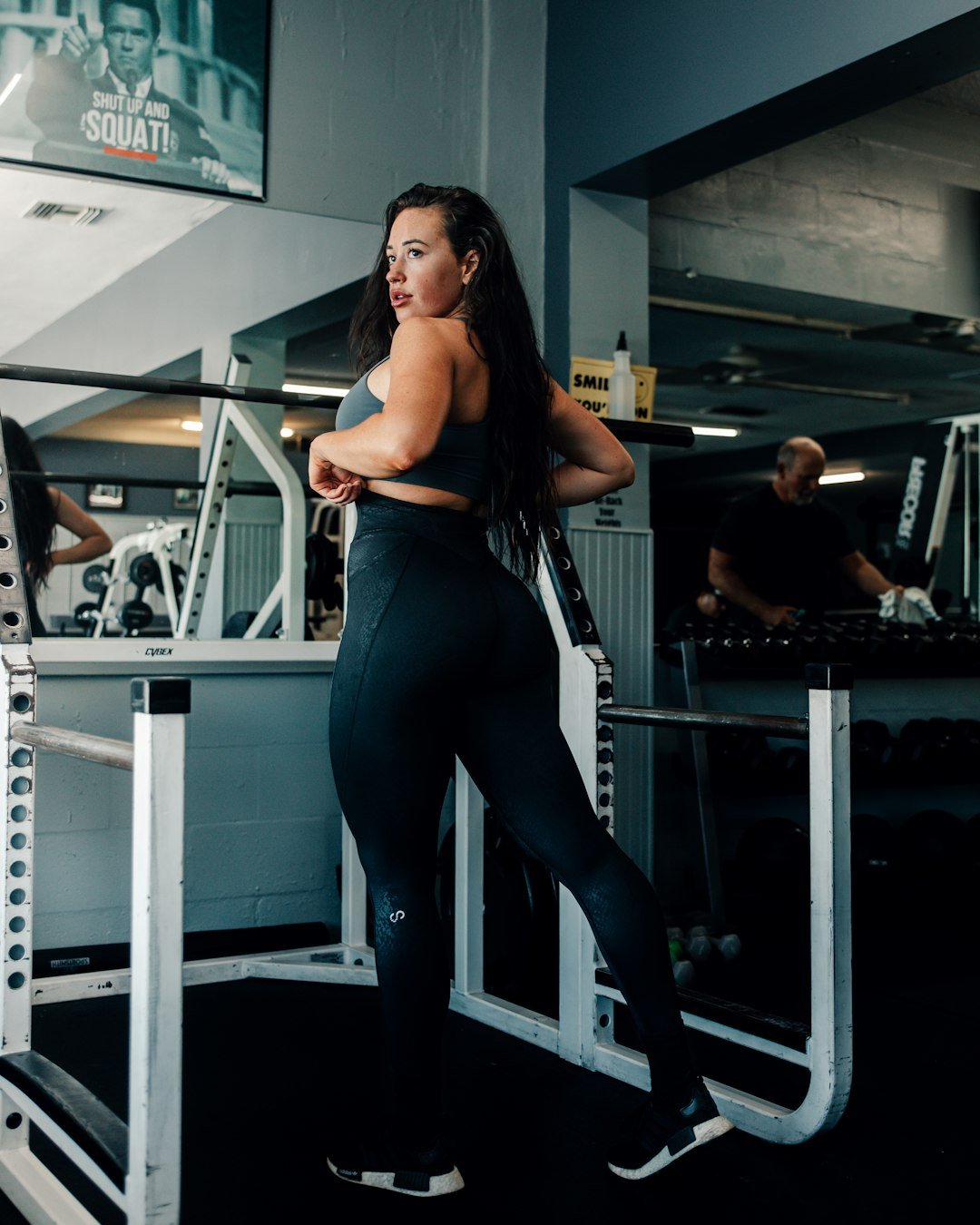
Women tend to have less muscle mass to begin with and lower anabolic hormone levels, which means the margin for error is smaller. Muscle loss during GLP-1 use can show up as increased fatigue, loss of strength, changes in body shape (softer, less toned even at lower weights), and disrupted hormonal balance. Women on GLP-1 medications especially need to prioritize resistance training and protein — not just cardio and movement — to preserve lean mass and support long-term metabolic health.
Ready to Stop Guessing?
Get a coach who builds your program around YOUR schedule, goals, and preferences.
The Two Non-Negotiables: Protein and Resistance Training
There’s no shortcut here. The science is clear, and the application is straightforward. If you want to preserve muscle while losing weight on a GLP-1 medication, you need to do two things consistently: eat enough protein and lift weights.
Protein: The Most Important Dietary Variable
When appetite suppression is working as intended, many GLP-1 users are eating dramatically fewer calories — sometimes under 1,200 per day without realizing it. If that caloric intake is also low in protein, muscle loss is almost inevitable. The body will cannibalize lean tissue to meet its amino acid requirements.
Current evidence for individuals in a caloric deficit, especially those aiming to preserve muscle, supports a protein target in the range of 0.7 to 1.0 grams per pound of body weight per day. For someone weighing 180 lbs, that’s 126–180 grams of protein daily. This doesn’t happen by accident — it requires intentional food choices and tracking.
High-protein, lower-calorie foods to prioritize:
- Chicken breast, turkey, lean ground beef
- Eggs and egg whites
- Greek yogurt and cottage cheese
- White fish (tilapia, cod, halibut)
- Shrimp and other shellfish
- High-quality protein shakes when whole food intake is low
Because GLP-1 medications reduce hunger signals, many users don’t feel like eating — let alone hitting protein targets. This is exactly where working with a nutrition coach who understands GLP-1 physiology is critical. The goal is eating strategically, not just reactively.
Resistance Training: The Muscle Preservation Signal
Protein provides the raw material. Resistance training provides the signal. When you challenge your muscles with progressive overload — gradually increasing weight, reps, or difficulty over time — you send a clear message to your body: this tissue is needed, keep it.
Without that stimulus, even adequate protein intake won’t fully protect your muscle. The combination of both is what actually works.
For most people on a GLP-1 medication, a well-structured program should include:
- 3–4 resistance training sessions per week, minimum
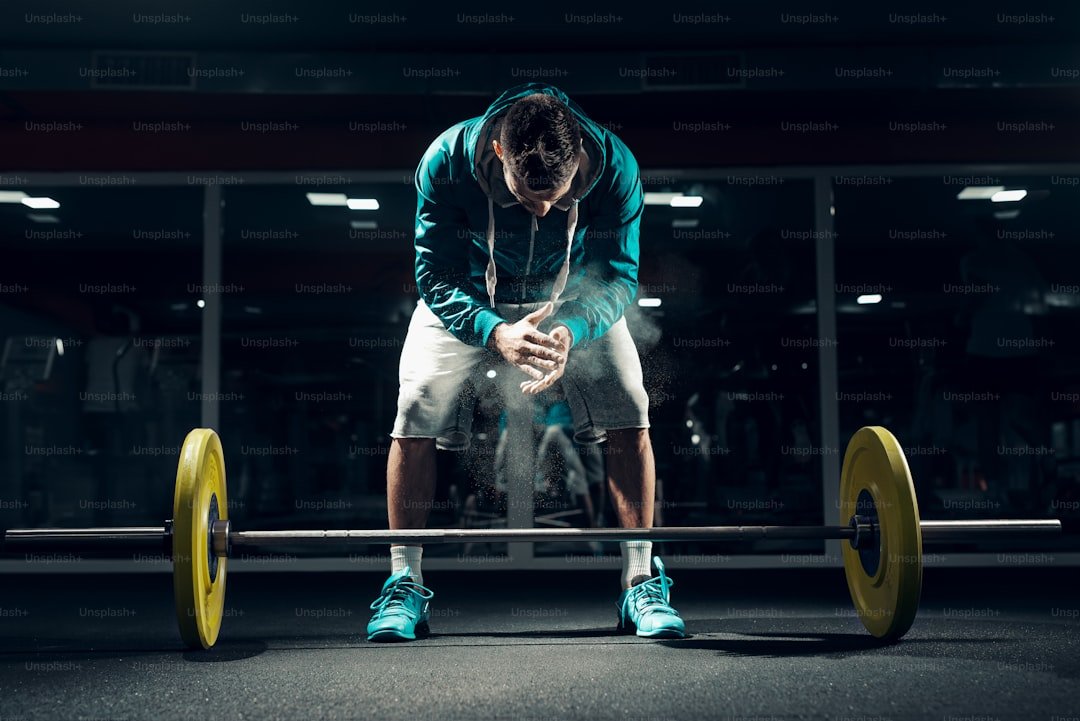
- Compound movements as the foundation: squats, deadlifts, rows, presses, lunges
- Rep ranges in the 6–15 range to stimulate both strength and hypertrophy
- Progressive overload tracked over time — not just going through the motions
- Adequate recovery between sessions to allow adaptation
This doesn’t require two-hour gym sessions or elite-level programming. It requires consistency and intentional effort. Three focused 45-minute sessions per week, built around your schedule, can make a dramatic difference in how much muscle you preserve during weight loss.
What Happens When You Come Off GLP-1 Medications
This is the conversation most people aren’t having. Many GLP-1 users either stop the medication at some point — due to cost, side effects, physician guidance, or personal choice — or plan to eventually transition off. What happens to the weight loss then?
Research consistently shows that appetite returns after stopping GLP-1 medications, and a significant percentage of users regain weight. The people who are most vulnerable to rapid weight regain are those who lost large amounts of muscle mass during use and never built sustainable habits around training and nutrition.
Here’s the brutal math: if you lost 40 lbs on Ozempic but 15 of those pounds were muscle, your metabolism is now running slower than before you started. When hunger returns and calorie intake increases, fat storage accelerates faster than it would have otherwise. This is the GLP-1 rebound that gets little attention in mainstream health media.
The antidote is building your habits while you’re on the medication — not after. Use the reduced appetite window as an opportunity to lock in high-protein eating patterns and a resistance training routine that you can sustain long-term.
Key Takeaways
- Up to 25–40% of weight lost on GLP-1 medications like Ozempic can come from muscle mass, not just fat — this is a real and documented concern for both men and women.
- Men may have more muscle mass to lose before noticing the effects, but they’re not protected from muscle loss — active intervention is still required.
- Women face a smaller margin for error due to lower baseline muscle mass and hormonal differences, making protein and resistance training even more critical.
- Aim for 0.7–1.0 grams of protein per pound of bodyweight daily, prioritizing high-protein, whole food sources and supplementing strategically if needed.
- Resistance training 3–4 days per week using progressive overload is the most effective tool for preserving and building muscle during GLP-1 use.
- Build your training and nutrition habits while on the medication — not after — to protect against weight regain when you transition off.
Get Expert Coaching That Actually Works
With Visiting Trainer, you get a Dietitian AND a Certified Personal Trainer for the price of one. Joe Ghafari and the team build custom programs for busy professionals who want real results without the guesswork.
“`
Stop Reading. Start Doing.
Get a custom training + nutrition plan built for your body, your schedule, and your goals. Your first call is free.
Book Your Free Discovery Call →